


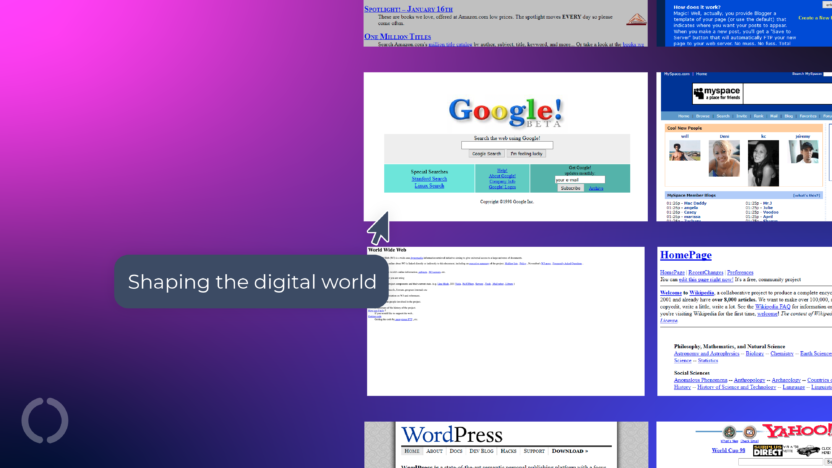
Some websites are so influential that they shape the way we use the internet, from how we search for information to how we shop, publish, watch videos and connect with others.
Most of these started out with designs that look very different from the websites we use today. But behind those early pages were ideas that changed how people interacted with the web.
From the first-ever website at CERN to platforms like Google, Amazon, WordPress and YouTube, each one helped define a different part of the online world we know today.
Here are ten websites that changed the internet forever.
CERN – The first website
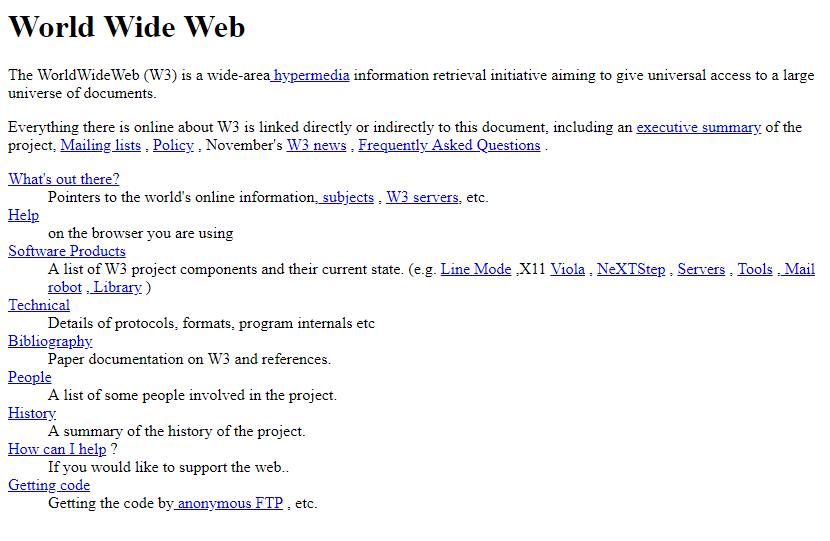
The first website was created at CERN by Tim Berners-Lee in 1991 to explain the World Wide Web project.
Compared to the websites we use today, it was incredibly simple. There were no images, colours or styled layouts. It was made up of plain text and links explaining what the web was and how people could use it.
Although it may not look as impressive now, this website introduced one of the most important ideas behind the internet: connected information. By allowing users to move from one page to another through hyperlinks, it set the foundations for every website that followed.
Yahoo!
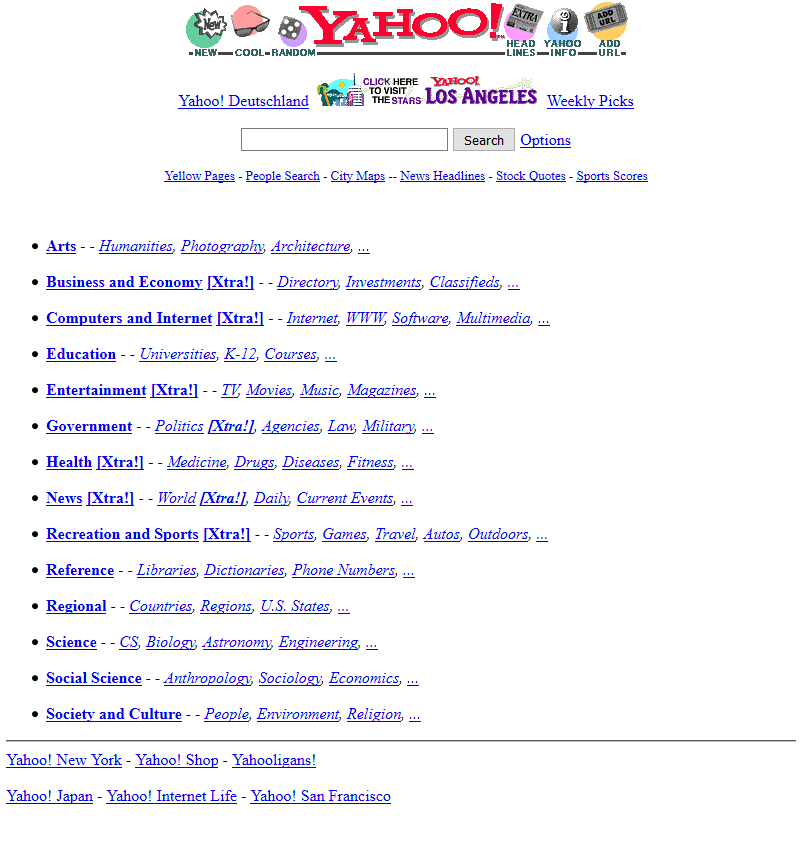
Before search engines became more advanced, Yahoo! was one of the early gateways to the internet.
Its homepage worked like a directory, helping users explore the growing web through categories, links and services such as news, email, shopping and entertainment.
At the time, finding anything online could feel chaotic. Yahoo! brought much of the web into one place. It helped define the portal era and showed just how valuable a homepage could become.
➡️ View Yahoo!’s early homepages
Amazon
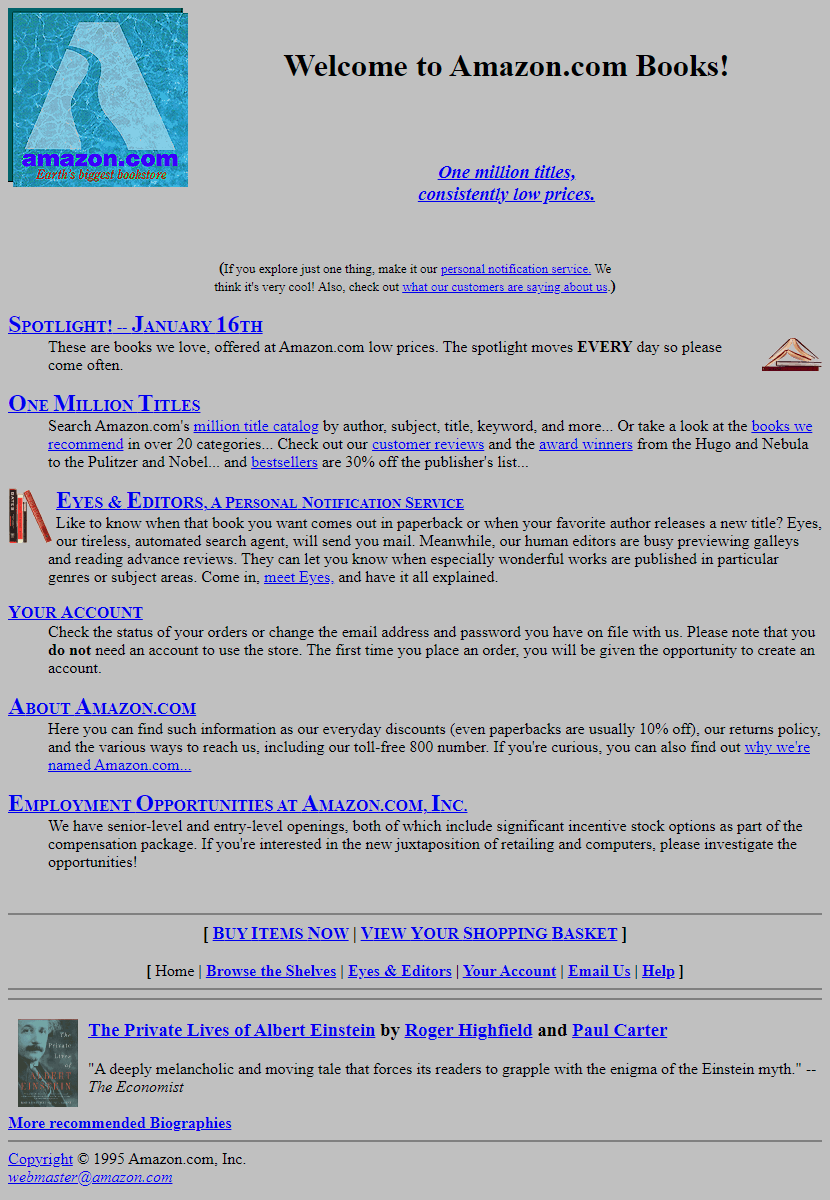
Amazon began as an online bookstore, but it went on to transform the way people shop online. In the early days of e-commerce, buying something online still felt new and risky. Amazon helped make online shopping feel more accessible, reliable and trustworthy.
Its website focused on product pages, categories, search, reviews and recommendations, many features we now expect from online shops. From customer reviews to personalised suggestions and fast checkout.
➡️ View Amazon’s early homepages
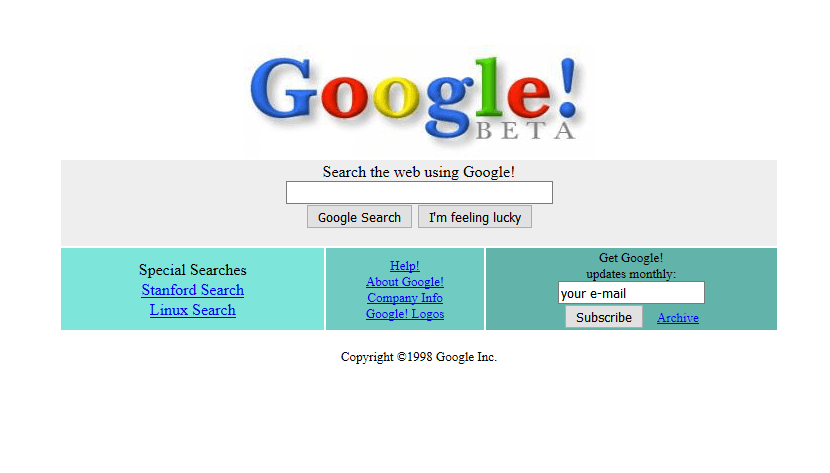
Google redefined the way people searched the internet by focusing on speed, simplicity and relevant results.
While many early websites had busy homepages packed with links, banners and widgets, Google stripped everything back. Its homepage centred everything around its logo and a search box.
That simple design made a huge statement. A website did not need to be cluttered to be powerful. By helping people find information faster, Google shaped how we search, how businesses think about visibility and how SEO and digital marketing developed.
➡️ View Google’s early homepages
Wikipedia
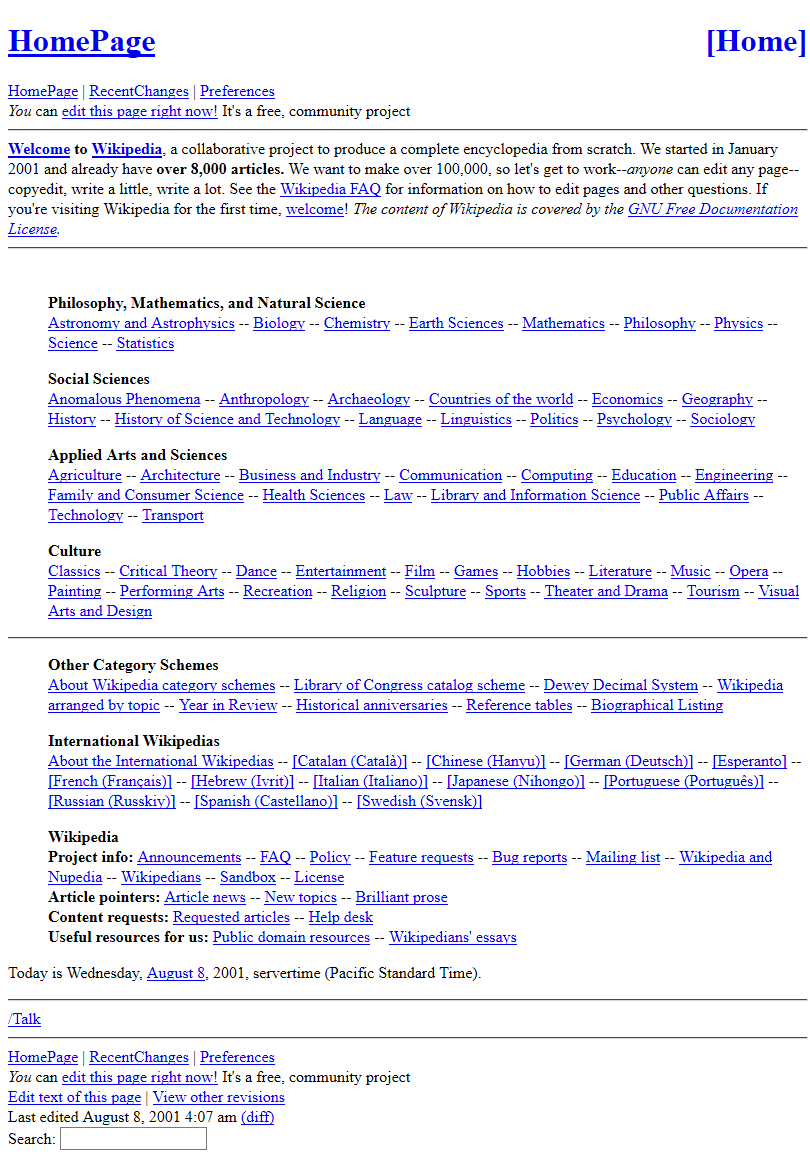
Wikipedia reshaped how people access knowledge online by making information easier to find, read and contribute to.
Its design has always been simple and text-focused, with clear headings, internal links and references that help users move between related topics. Instead of relying on publishers or experts, Wikipedia allowed people around the world to edit, improve and expand articles.
By proving that large-scale online collaboration worked, Wikipedia became one of the most recognisable examples of the internets power to share knowledge globally.
➡️ View Wikipedia’s early homepages
Blogger

Before social media became the main place for sharing opinions and updates, blogs gave people their own space on the web.
Blogger helped make personal publishing more accessible. Users no longer needed to code a full website or manage hosting just to write and publish online.
It gave everyday people a simple way to share their thoughts, build communities and create content. Blogger shape the rise of personal blogs, niche websites and early online publishing, proving that the web was not just for big companies, but for individual voices too.
➡️ View Blogger’s early homepages
WordPress
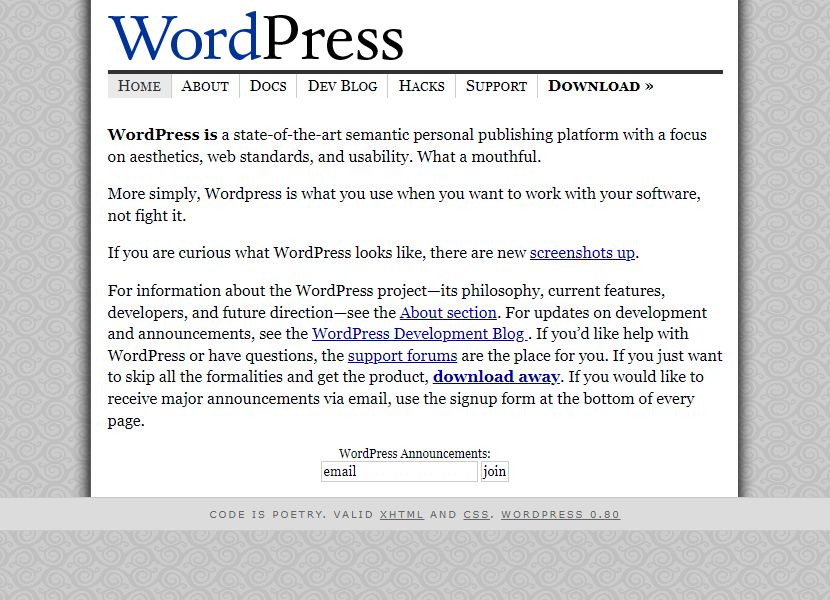
WordPress made website publishing more accessible by helping people to create and manage their own websites more easily.
What started as a blogging platform grew into a flexible content management system used for blogs, portfolios, business websites, news sites and online stores.
Its themes, plugins and content tools gave people more control without needing to code everything from scratch. By making website creation more accessible, WordPress helped millions of people and businesses build their own place online.
Today, it remains one of the most widely used platforms for creating and managing websites.
➡️ View WordPress’s early homepages
YouTube
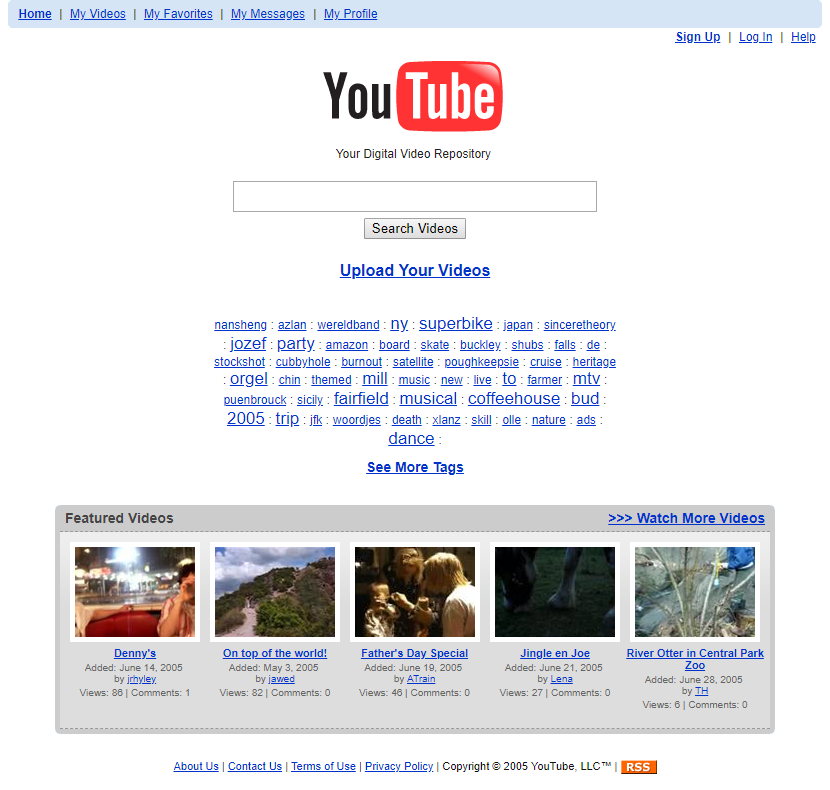
YouTube gave people a new way to watch, upload and share videos online.
Before YouTube, sharing video on the internet was awkward. Files were large, speeds were slower and users often needed specific software just to start watching something.
YouTube made online video easier. Users could upload, watch, share and embed videos directly in the browser. This helped shape modern online entertainment, education and content creation.
Its influence is still clear today. According to DataReportal’s Digital 2026: Global Overview Report, YouTube remains one of the world’s leading platforms for online video and entertainment.
➡️ View YouTube’s early homepages
MySpace
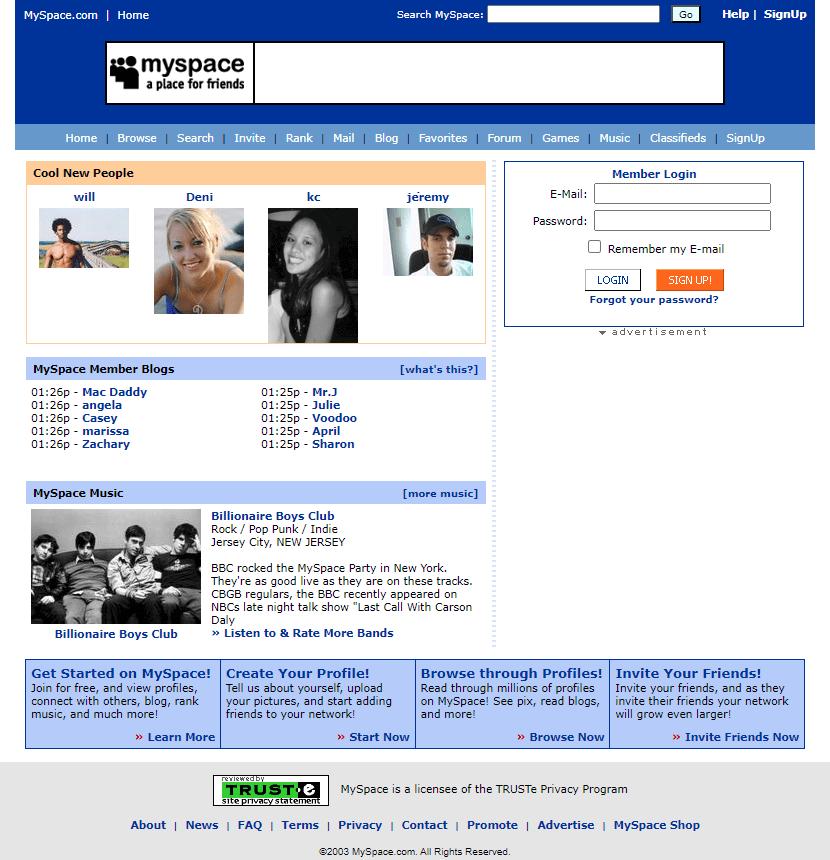
MySpace helped shape the early days of social networking, online identity and personal profiles.
Users could create a profile, add friends, share music, display interests and customise how their page looked. That customisation became one of MySpace’s most memorable features.
By giving people more control over how they presented themselves online, MySpace helped set the foundations for the social platforms that we see today.
➡️ View MySpace’s early homepages
ChatGPT
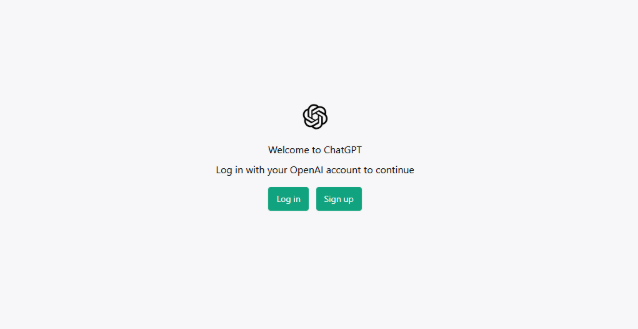
ChatGPT helped mark a new era for AI by making artificial intelligence feel more accessible through a simple conversational interface.
Before its release, chatbots were often limited to rule-based scripts or task-specific tools. ChatGPT showed how powerful large language models could be, reshaping what people expected from online tools.
Instead of searching through pages, users could ask questions, draft content, summarise information and explore ideas in natural language. This helped shape how we think about search, productivity, content creation and the future of online tools.
➡️ View ChatGPT’s early homepage
Final thoughts
Looking back at these early websites shows how much the internet has changed.
Many of them launched with basic designs and limited features, but their ideas had a lasting impact. They shaped how we search, shop, publish, watch, learn and connect.
They show that a successful website does not need to be complicated to make a difference. It needs to solve a real problem, offer value and give people a reason to come back.
That same idea still applies today. Whether you are starting a blog, building an online store, launching a business website or creating something completely new, every great website starts with a strong idea and the right foundation behind it.