


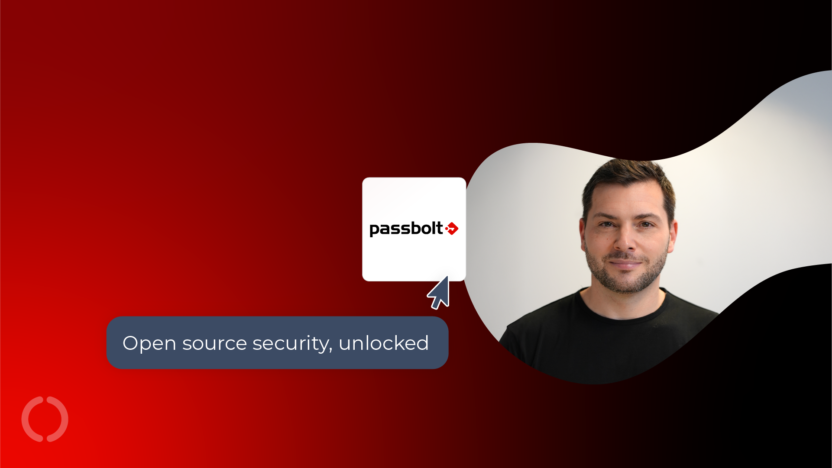
Kevin Muller is co-founder and CEO of open source password manager software Passbolt.
Used by over 50,000 organisations worldwide, Passbolt was the winner of the “Best Password Manager” category in the 2025 FOSS awards, and Kevin was kind enough to speak with us about how he got started, the future of the industry, and more.
Hi Kevin, congratulations on being named best Password Manager Software in the 2025 FOSS awards. Thank you for taking the time to speak with us, can you start by introducing yourself?
I’m Kevin Muller, co-founder and CEO of Passbolt. I’ve been a tech entrepreneur since my early twenties, with a background in software development and cybersecurity.
Alongside building companies, I occasionally invest in and advise startups, contributing to the ecosystems in Luxembourg, France, and India.
I’ve always been drawn to the human side of technology. How teams work together, where things break, and how trust is built or eroded. For me, it’s people, process, technology, in that exact order.
People always come first. Interestingly, the same hierarchy applies in cybersecurity, where humans are often the primary target.
I’m also fascinated by human performance in all its forms: cognitive, physical, fitness and health-related, which strongly shapes how I approach leadership, decision-making, and personal development.
Your journey has taken you all over the world. How has your global perspective influenced your approach to business, technology, and sustainability?
Living and working in different countries – France, UK, India and Luxembourg – changes how you see technology. It teaches you humility.
What works in one context might completely fail in another. Once again it comes to human understanding first.
I learned to design systems that adapt to people’s realities: unstable connections, limited infrastructure, different regulations, and different expectations around privacy.
Working with NGOs and in the sustainability space also left its mark. You see the consequences of technology that isn’t accountable, and it makes you more deliberate about what you build and why.
For me, sustainability isn’t just environmental; it’s also social and digital. It’s about creating tools that people can own, inspect, and maintain without depending on a single vendor or country.
It’s probably why I have been drawn to open source since an early age, because it transcends borders, countries and brings people together around a noble cause.
You’ve built successful companies in very different sectors. What are the key lessons that carry over between industries?
First and foremost, you have to accept that you’re going to fail. Since failure is inevitable, the secret is making the journey enjoyable.
If you’re having fun learning, you’ll stick with it until you get it right.
The other thing that I think people ignore is durability. Social media sells us this idea of overnight success, but the reality is that business is a marathon.
It’s about compounding: doing the work day in and day out for years. That is really hard to do if you don’t love it.
That’s why open source companies work so well. The founders are usually scratching their own itch.
They love what they’re building, which gives them the stamina to build a community of users long before they ever launch a commercial product.
What inspired you to create Passbolt?
It came out of frustration. My team at the time was juggling hundreds of credentials for client projects, and none of the available tools really worked for us.
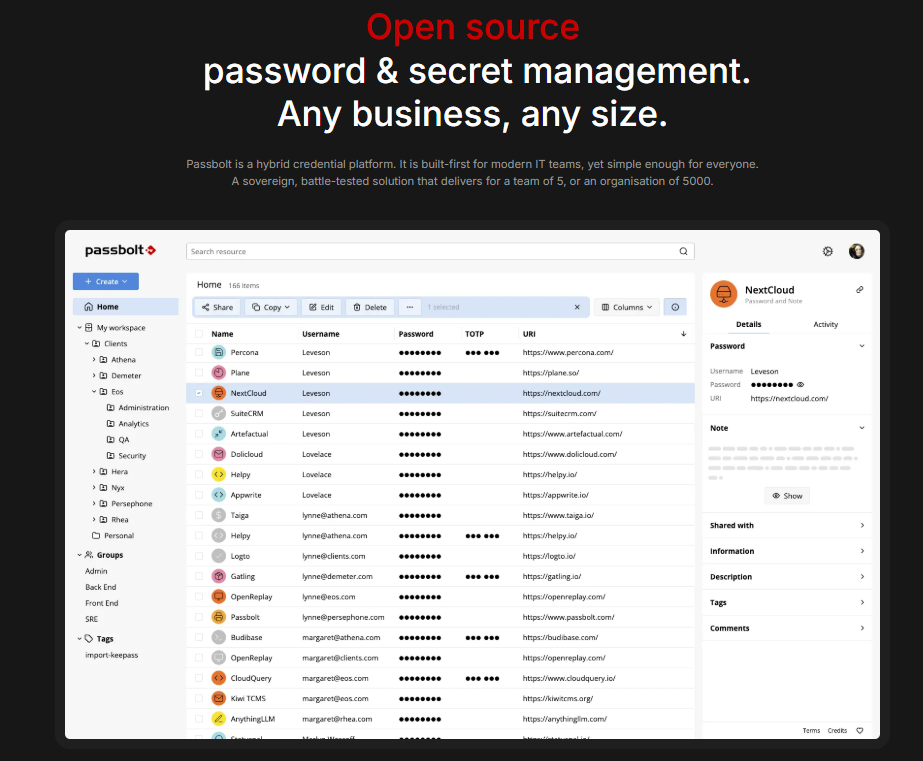
Existing password managers were consumer-grade and built mostly for the needs of individuals, not for the sophisticated needs of tech teams.
Enterprise PAM solutions were too rigid and overkill. We needed something flexible, secure, and collaborative.
So we built it.
It wasn’t meant to be a company at first, just a tool that made our lives easier.
But other teams started asking for it, and we realized there was a gap between consumer password managers and enterprise PAM systems.
That’s where Passbolt lives today.
Why did you choose to make it open source?
It seemed logical that a solution that stores the most critical data of an organization must provide data ownership and control to its users.
Security without transparency doesn’t make sense. If you ask people to trust your product with their most sensitive data, they should be able to see how it works.
Open source makes that possible. It also aligns with the idea of digital sovereignty, giving organizations control over their infrastructure instead of locking them into someone else’s cloud.
On a personal level, I’ve always believed that open source communities produce better, more resilient software. It keeps you honest. People will read your code, question your decisions, and that’s a good thing.
What do you foresee for cybersecurity over the next five years, particularly in light of AI’s rising popularity?
AI is changing the landscape, both for attackers and defenders. We’ll see more automated phishing, more convincing social engineering, and more polymorphic malware.
On the other hand, defenders will have better tools for detection and response. The arms race will continue.
What worries me most isn’t the technology itself but the growing dependency on black-box systems.
The fundamentals – good identity management, least privilege, key rotation, auditability – will matter even more. And as machine-to-machine communication keeps growing, secrets management for non-human identities will become a core challenge.
Regulations like NIS2 and DORA will also push companies to take operational security more seriously. Compliance will become a forcing function for better practices, not just paperwork.
What do you love most about what you do?
Building a software that is used and loved by dozens of thousands of teams to protect their credentials is deeply rewarding.
We regularly meet our users when we go to open source or cybersecurity events and they usually have a lot of positive things to say about Passbolt and how they use it.
This is obviously very motivating because it makes us feel useful.
In addition to that, I consider myself extremely lucky to have around me an amazing team of collaborators that are both talented and share the same values.
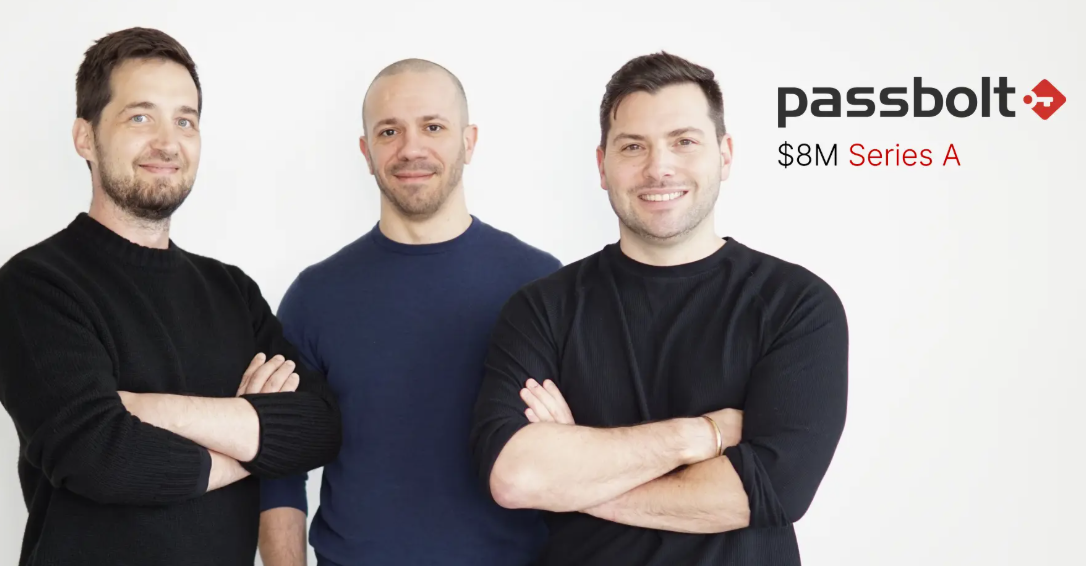
My two co-founders are also childhood friends, and most of our team members have been with us for years, which form a great work environment.
What wisdom would you share with the world?
One philosophy I live by: Whoever has the most fun wins!
In the grand scheme of things, what really matters at the end is whether you made the most out of your life. Do things that make you happy, and don’t take things too seriously.
Additionally, I believe that our body is your primary tool and that there is no excuse not to make it our top priority.
I am a crossfit trainer and evangelist and I believe that Crossfit’s holistic and scientific approach to fitness is the ultimate tool to support that.
It’s also an open methodology which can be challenged and improved by anyone, very similar to open source software.
I would recommend anyone to try it!
Upgrade your hosting 📈 Unleash your websites 🚀
Build, deploy & manage all your sites/apps at scale. Use our high-spec cloud servers to ensure blazing-fast load times, every time. Get market-leading speed, security & customer support.
- WordPress, WooCommerce, Laravel optimisations & more
- One click migration from any host, any time
- Free Email, DNS, CDN, SSL, SSH, Backups, Security & Git integration all baked-in
- Global reach with 60+ global data centres
- Award-winning support from real people
Find out why over 1 million agencies, online stores, developers, multi-site hosting and high traffic sites use our Managed Cloud Servers to ensure peak performance, every time.