


Welcome to Link Round Up, where we share the tools, projects and ideas that grab our attention each month.
In this edition we’ve got an ambitious all-in-one knowledge project, tools that reshape how you interact with the web and even your own prompts – and much more!
With no shortage of productivity tools, it takes something special to stand out.
AFFiNE is an open-source, self-hostable workspace app that blends documents, whiteboards, databases, kanban boards and collaboration tools into one local-first platform.
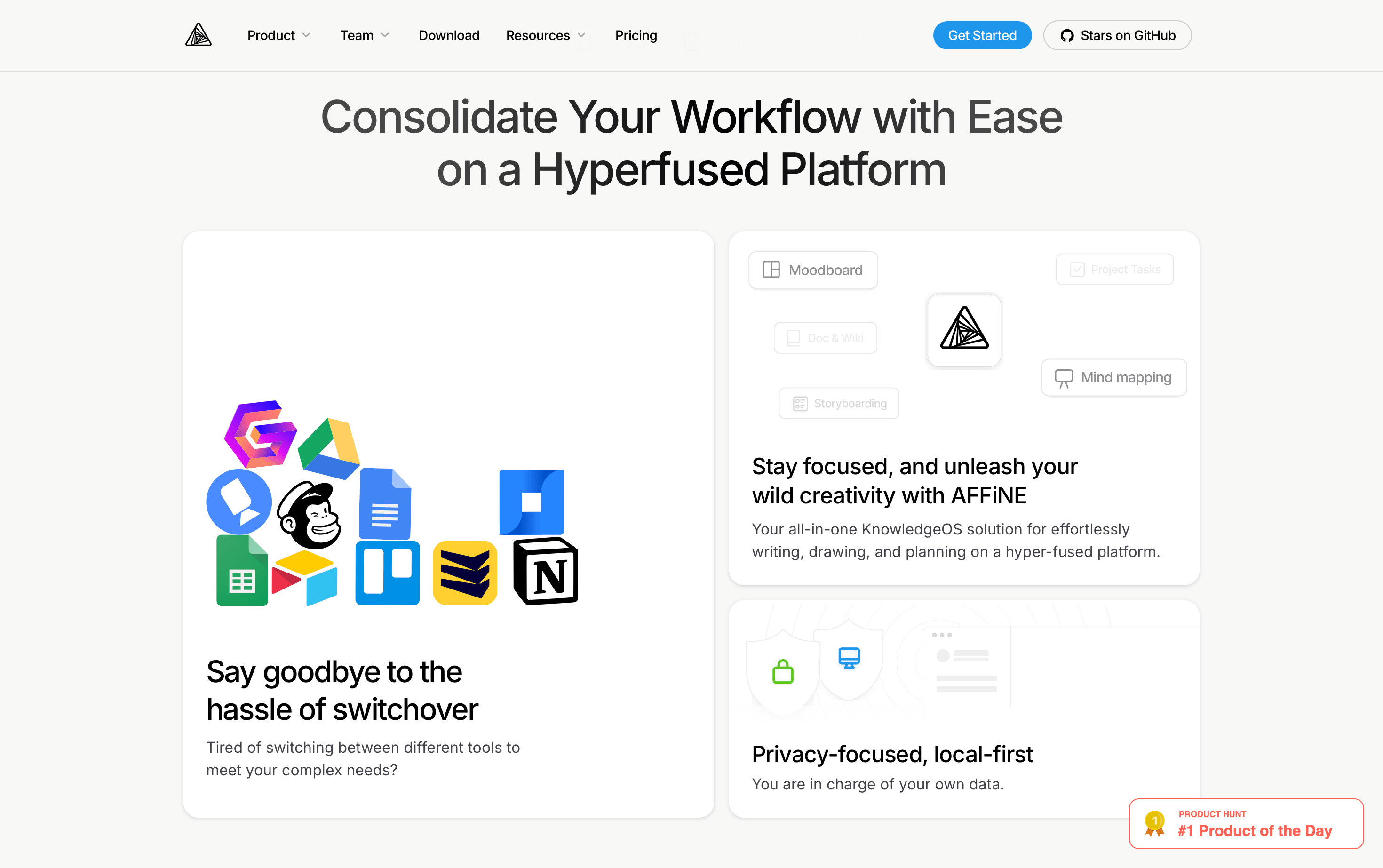
Think of it as a hybrid between Notion, Miro and Obsidian with an emphasis on privacy.
It supports a wide range of document formats and is completely free for up to 10 members per workspace with, 30 days of backups and 100GB of additional cloud storage. Definitely worth checking out if you are part of a small team!
BambuStudio is a completely free slicer software built for 3D printers. Take detailed STEP files and output multi-plate layout 3MF-based projects.
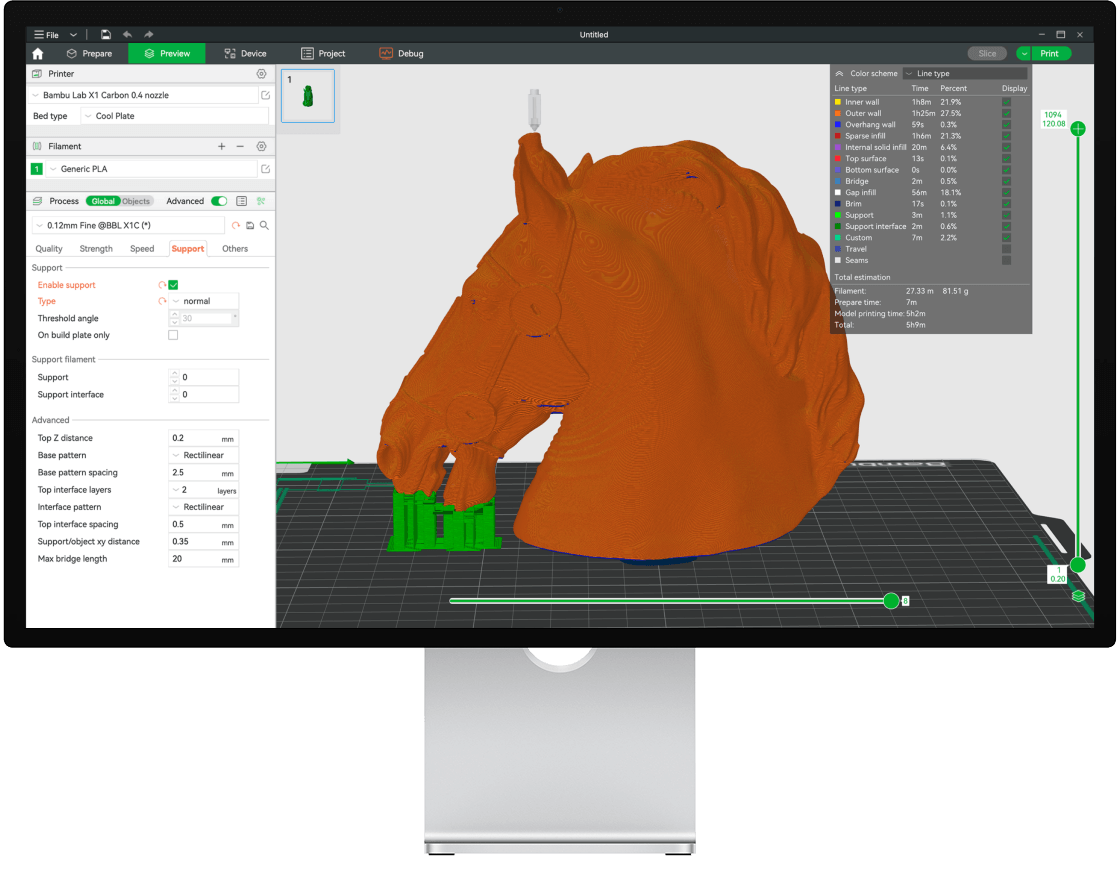
It’s fast, polished and surprisingly approachable, offering advanced controls without overwhelming newer users. For anyone in the 3D printing space, it’s a reminder of how much UX still matters in traditionally technical tools.
Even if you’re not using Bambu hardware, it’s worth exploring just to see how smooth the workflow can be!
If you’ve ever opened YouTube with the intention of checking out one video only to emerge 40 minutes later from a Shorts rabbit hole, wondering what happened, then Unhook is the solution for you.
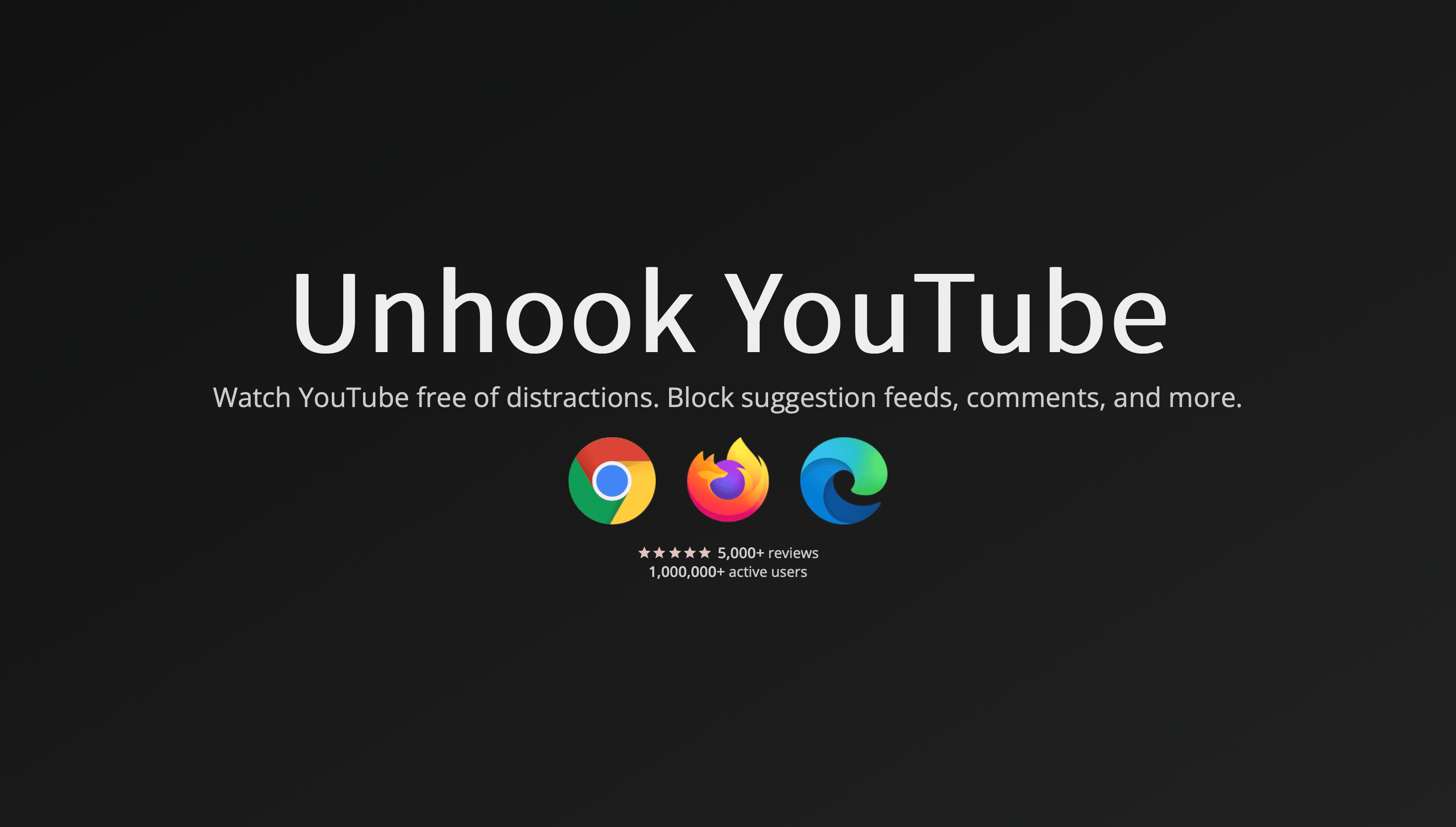
This browser extension works with Chrome, Firefox and Edge to strip away recommendations, comments, sidebars and other attention-grabbing traps – leaving just the video you want to watch.
Unhook’s less algorithm, more intention philosophy has earned 5000+ positive reviews and over 1 million active users!
Spending time on YouTube isn’t all bad – it’s where we first found out about Project NOMAD.
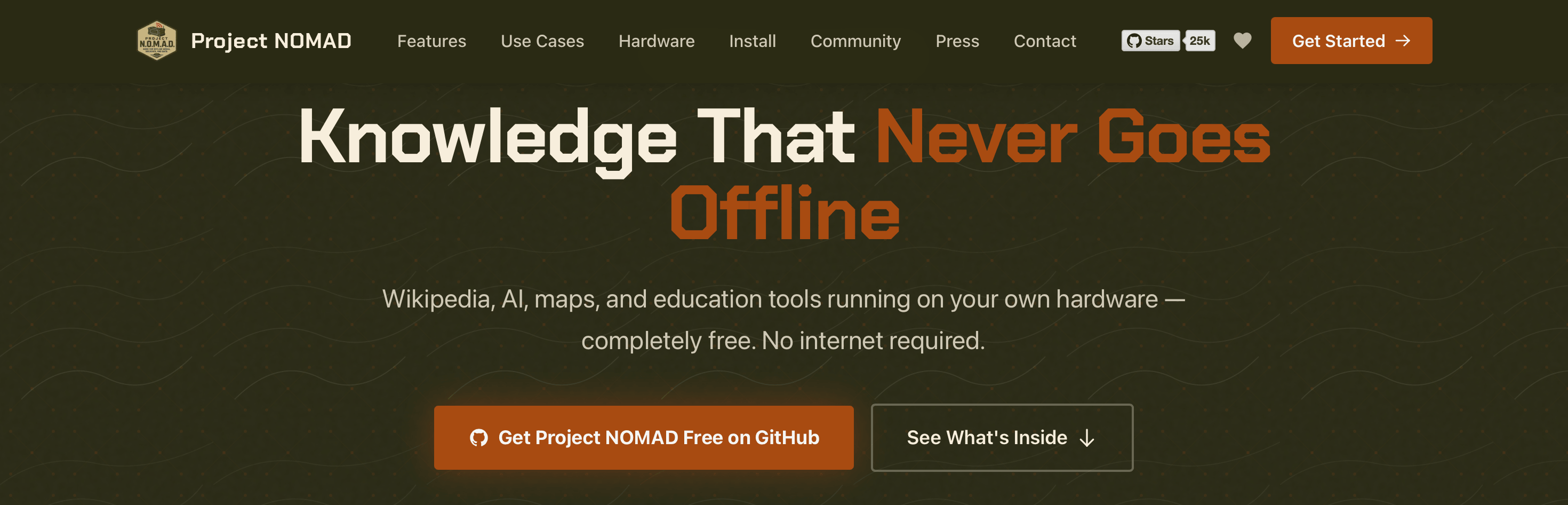
This offshoot from Crosstalk Solutions explores a compelling concept: what if your knowledge stack didn’t depend on the internet at all?
Part philosophy, part tooling and centred around preserving access to information regardless of connectivity, Project NOMAD’s aim is in the name: Node for Offline Media, Archives and Data.
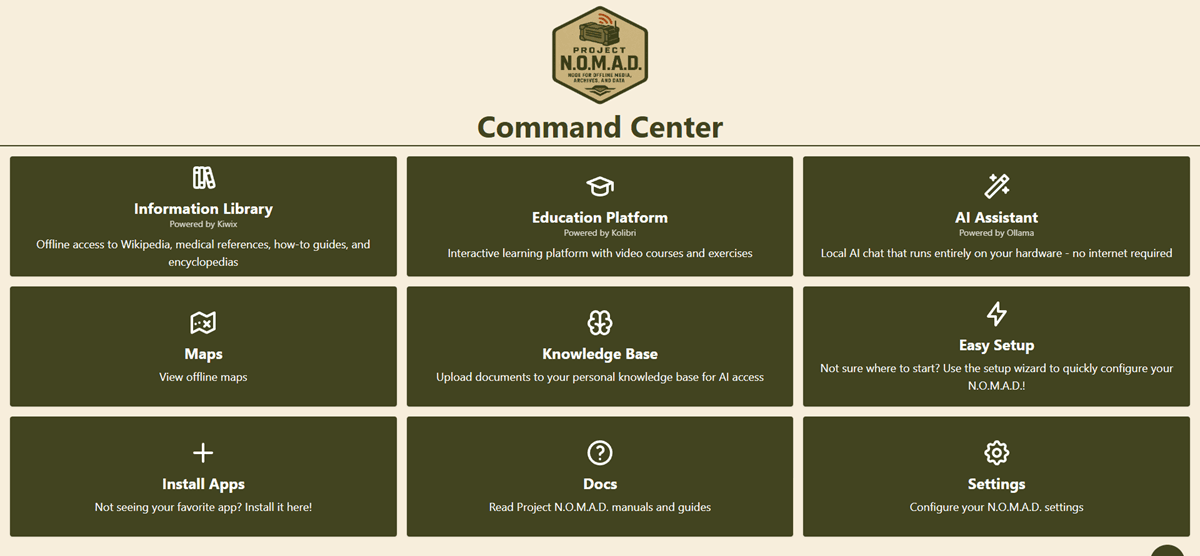
If you’re familiar with Internet in a Box you’re halfway there. All of Wikipedia, plus many more curated knowledge collections, all of OpenStreetMap and all of Khan Academy is a formidable foundation.
Running open-source, free, local AI models on your own hardware is the icing on this multilayered tech cake, and sets it apart for tech enthusiasts, families in areas with poor internet connectivity or anyone living off-grid.
Reverse Prompter flips the script on AI use.
Instead of using LLMs by entering a prompt to get a response, DEJAN’s clever tool takes AI responses and works to discern what prompt was used to produce it.
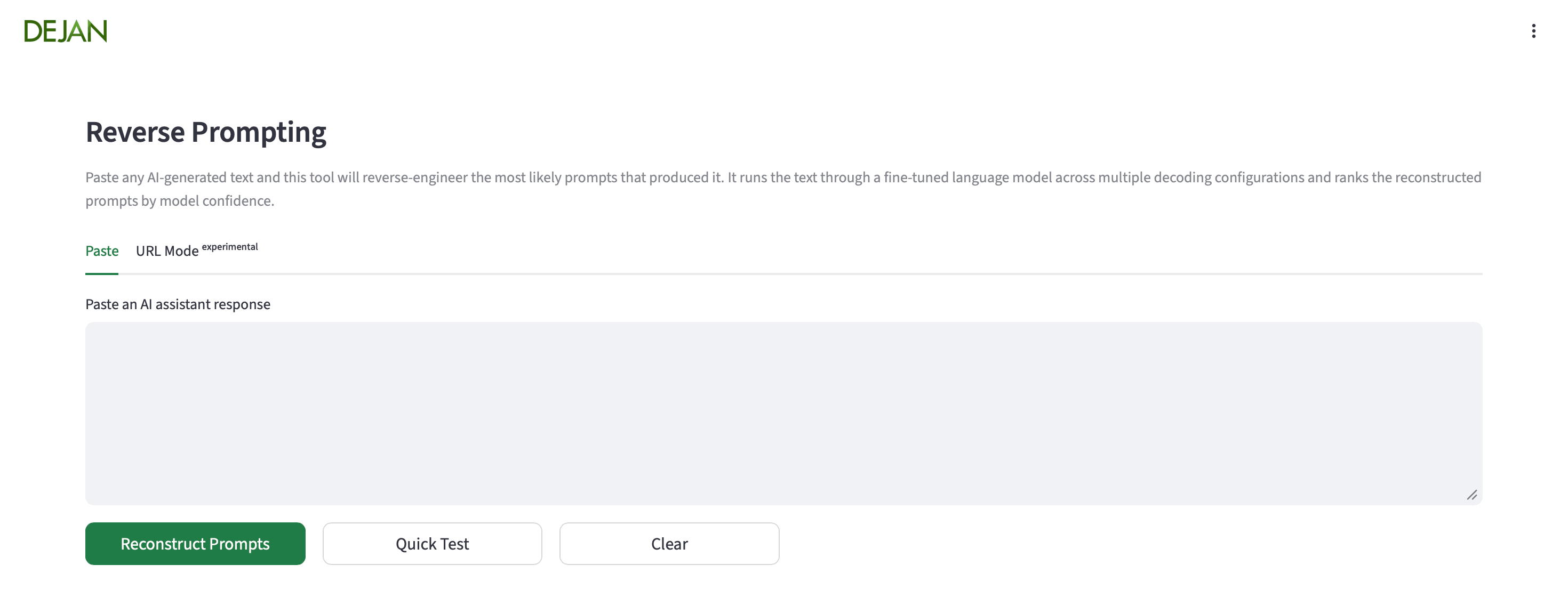
It’s a fascinating resource to refine your own prompts, and a useful way to better understand how to shape results – making Reverse Prompter valuable for anyone who works with LLMs.
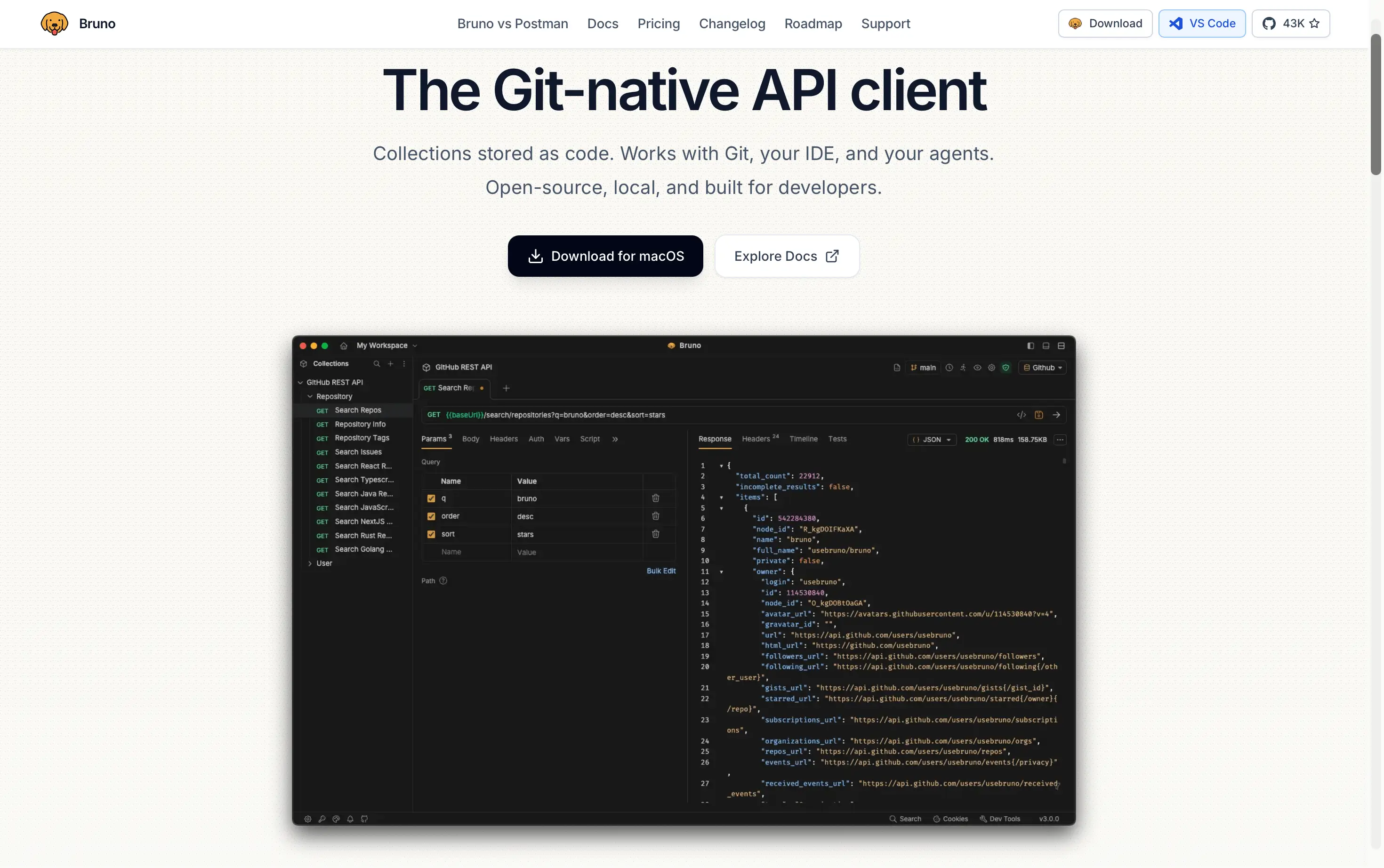
For developers who just want to test APIs quickly and get on with their day, Bruno is a compelling proposition.
It’s an open-source API client built around a local-first approach, storing collections as plain text files on your hardware rather than locking them into the cloud.
API requests can sit alongside your codebase, be version controlled in Git and shared using workflows developers already know.
Bruno’s comparison with Postman leans into exactly that positioning: lightweight, Git-friendly and refreshingly free from forced accounts and unnecessary friction.
Roman Nurik’s IconKitchen is a delightfully focused tool for generating app icons across platforms – the place to let your design skills cook!
Craft custom icons for Android, iOS, web, macOS, watchOS, tvOS as well as Android TV banners and Play Store banners (which are in beta at the time of publishing).
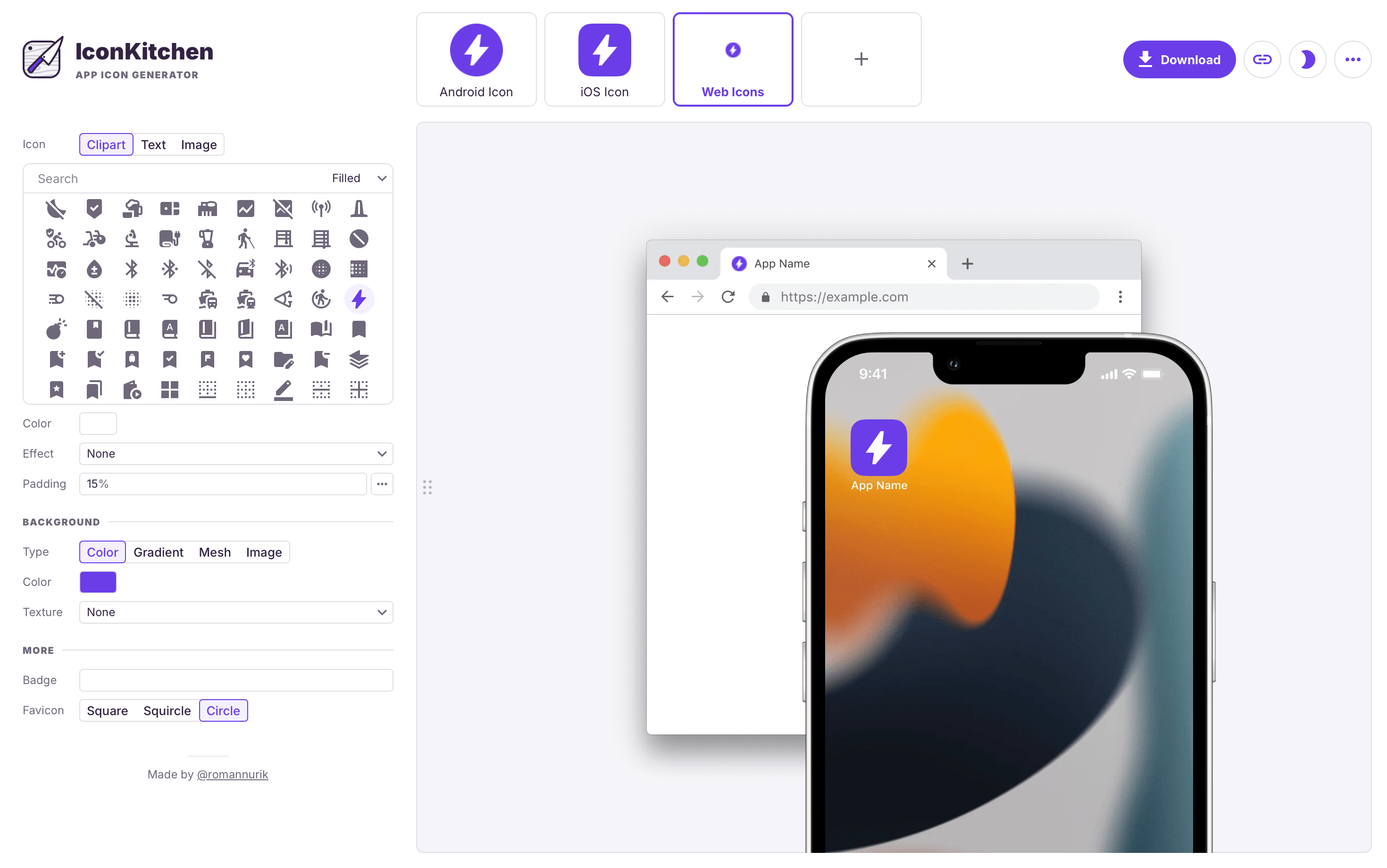
It’s the perfect tool for developers and UI designers who care about polish and want their apps to look exactly right for their users.
We’ve shared UI libraries in past editions of our Link Round-Up series, but Cult UI is a bit special.
Cult UI builds on the popular shadcn/ui ecosystem with a curated collection of animated components, blocks and templates designed to drop into React and Next.js projects.
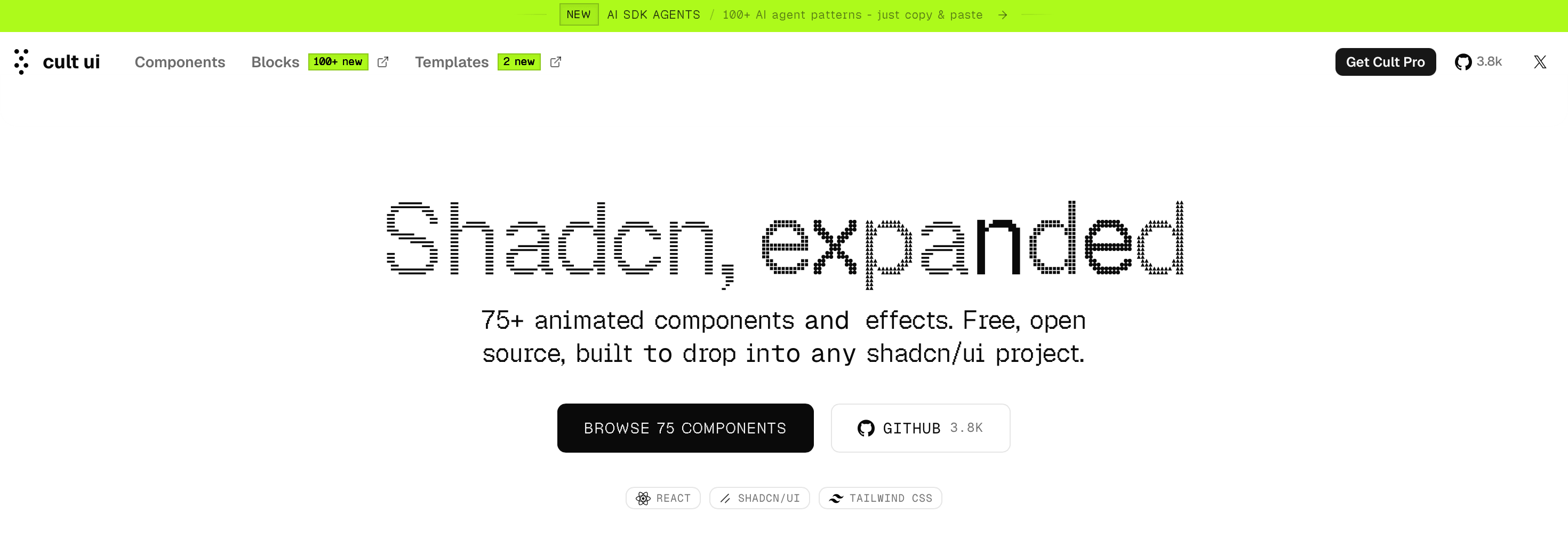
Rather than feeling generic or overly corporate, the emphasis is on polished motion, strong visual taste and components that look like someone genuinely cared when putting the assets together.
Have you come across anything interesting, useful or unusual that caught your attention recently?
Leave a comment below and let us know what we’re missing!