


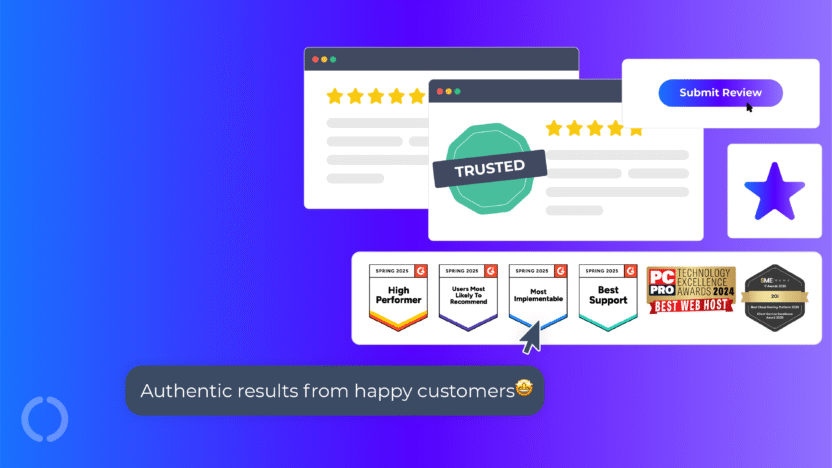
Social proof is a powerful marketing tool you can use to build trust and credibility with potential customers.
Showcasing authentic feedback and results from real customers can dramatically boost your conversion rates and help you stand out against competitors.
Below, we’ll explore how to put your social proof into action and the best ways to use it effectively.
Why reviews work
Showcasing reviews are proven conversion drivers and shouldn’t be overlooked. 90% of consumers consider ratings and reviews when making purchase decisions making them essential for building trust and influencing their buying behaviour.
There’s a reason why businesses consistently promote their high Trustpilot scores, customer testimonials, and glowing reviews, it’s all rooted in human psychology. Seeing others positive experiences builds trust, reduces perceived risk and reassures potential customers that they’re making the right choice.
Trust & Credibility: Social proof helps to reduce risk when others alike have already chosen and trusted your service or product. By showing genuine customer experiences, you demonstrate transparency and reliability making it much easier for people to feel confident choosing you over competitors.
Authority & Expertise: Hearing positive words from real customers shows you as an expert and reassures potential customers that you know what you’re doing.
Herd Behaviour: People like to follow the crowd. When they see that others have chosen you and are happy with the results, they’re much more likely to do the same.
How to gather reviews and testimonials
There are a few effective ways to gather reviews and testimonials from your customers, and it doesn’t have to be complicated. With the right strategy, you can turn happy customers into strong advocates for your brand.
We won’t go into too much detail here, as we have an excellent blog post that dives into the best practices for gathering social proof to boost sales. However, to get you started, remember these four principles:
✅ Be proactive – Don’t expect customers will take time to leave feedback.
✅ Make it easy – Remove friction by providing direct links to review pages.
✅ Ask at the right moment – Choose a time when satisfaction is at its highest.
✅ Offer meaningful incentives – Give customers a reason to share their feedback, such as discounts, vouchers or upgrades.
Types of feedback
There are several types of customer feedback you can collect and strategically share across your website and various platforms to strengthen trust, showcase your value and influence potential customers.
Reviews
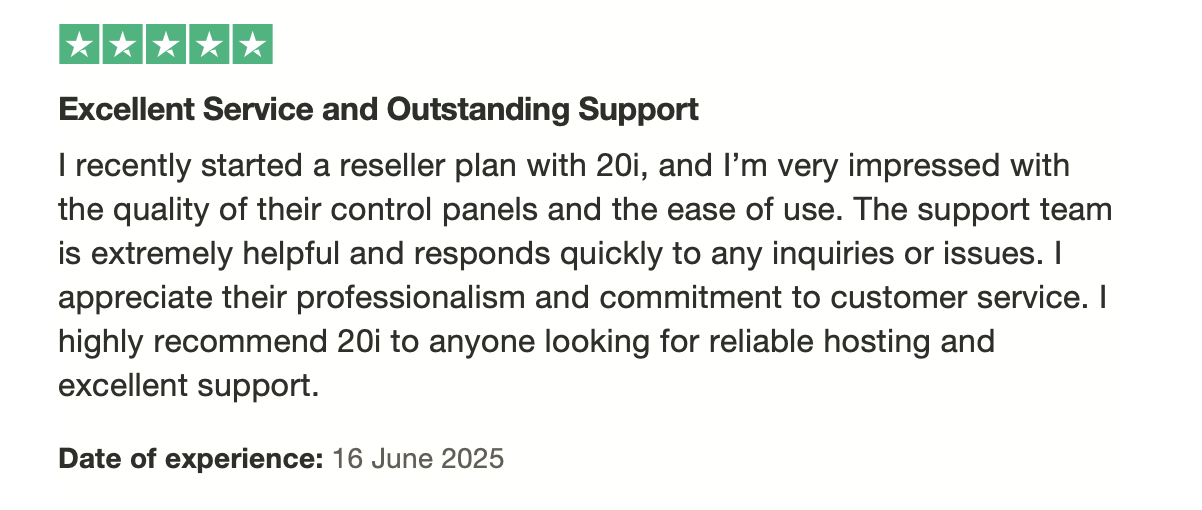
These are statements from customers about their experience with your product or service. Reviews can be featured on your website or social media to provide authentic social proof.
Testimonials
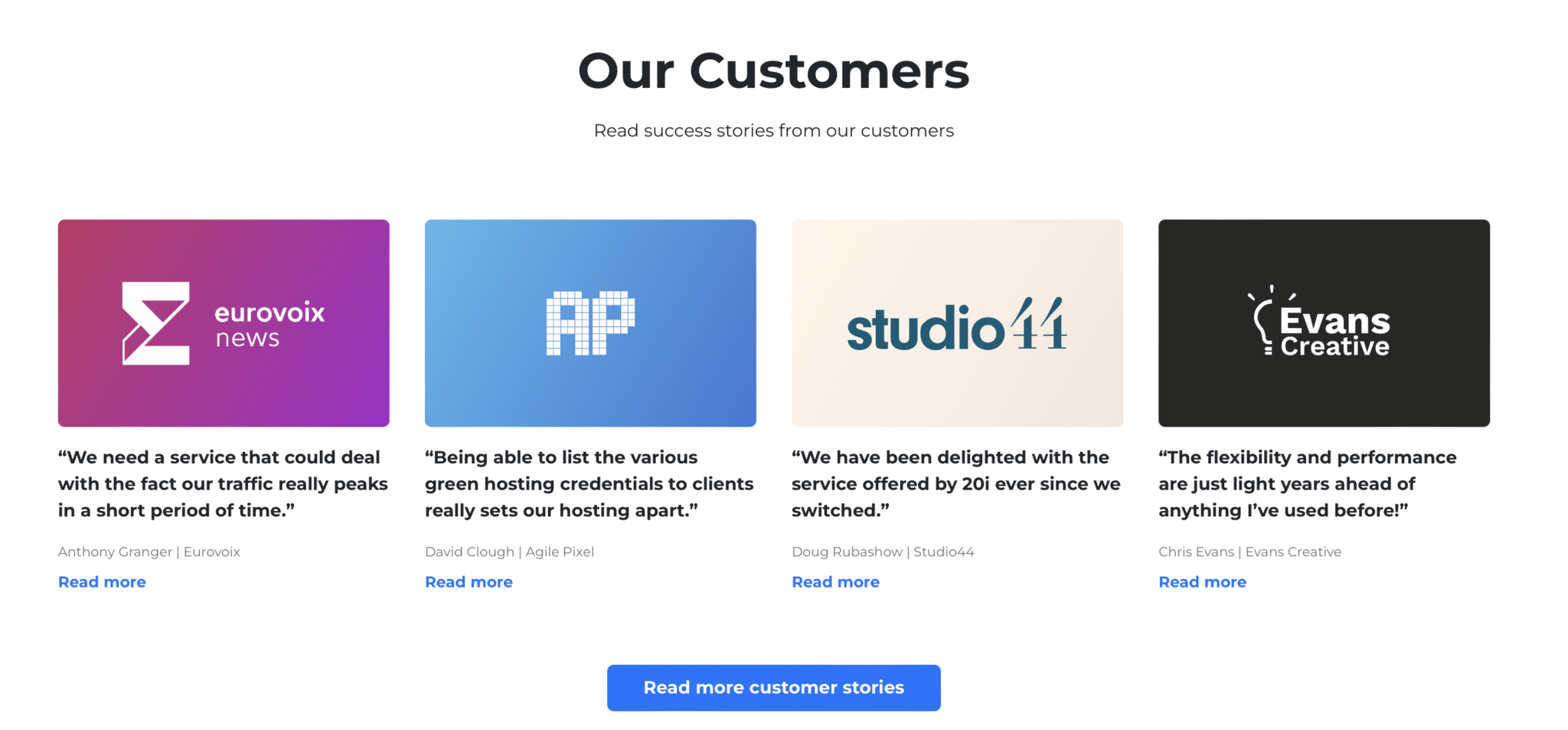
Testimonials highlight especially compelling quotes from customers. These can be displayed prominently on your site, in marketing materials or on landing pages to convey credibility and customer satisfaction.

Case Studies
Case studies are more in-depth stories that demonstrate how your product or service solved a specific problem for a customer. They often include background context, challenges faced, solutions implemented and results from using your product or service. Case studies can be especially convincing for potential customers who want to see evidence of you expertise. See some of our case studies here.
Star Ratings
Star ratings provide a simple, visual summary of customer opinions. A 1-5 star rating offers a quick impression of your overall quality, helping to build trust quickly. They also make it easier for customers to leave feedback quickly, with less friction than writing detailed responses.

Where to showcase social proof: on your website
Social proof should be implemented across your website. It’s one of the best ways to build up trust, reduce hesitation and show potential customers that real people have had great results with you or your product.
Home page hero section
This is where prospective customers will get a first impression of your company.
- Highlight “Recommended or trusted by [industry experts/ 200+ companies…]” messaging.
- Add trust badges like certifications, media mentions or Trustpilot star ratings.
Dedicated testimonials page
Create a page dedicated to customer testimonials you can use to link to on other platforms.
- Include a variety of testimonials praising support, value for money and product quality.
- Add direct links to this page on your social media pages or across other pages in your website.
Pricing pages
Visitors on your pricing pages are close to buying, reduce hesitation by adding some social proof here.
- Add short testimonials next to pricing tiers.
- Add trust badges or star ratings to reinforce credibility.
Popups or slide-ins
Capture attention with subtle but effective pop-up banners or slide ins.
- Use these at the final stages of the purchase journey, lithe checkout, to provide a last reassuring push.
- Feature short testimonials or star ratings to reinforce trust without disrupting the buying flow.
Where to showcase social proof: other channels
Social media posts: share testimonials on social media. These can be formatted in different ways such as graphics, videos and resharing of positive UGC.
Case studies: ensure you publish case studies on your blog of happy customers. Include how your service or product helped your customer overcome a problem and highlight the benefits they received.
SEO: Use schema markup to show customer review ratings directly in search results, increasing click through rates and building immediate credibility for your brand.
Email newsletters: feature customer testimonials in newsletters, helping to foster ongoing trust and appreciation with your current customer base.
What to avoid
❌ Fake or overly generic testimonials. Customers aren’t stupid and will be able to tell when praise sounds made up, especially a generic quote like “This is the best service ever!” Fake reviews can destroy your reputation if customers discover this. Instead, use real testimonials with specific details and include names, titles, companies and photos where possible.
❌ Not updating reviews. It’s important to make review collection a part of your ongoing business model, this ensures your testimonials are current and up to date. Regularly review and refresh your social proof across your website and platforms. However, keep some older testimonials to show long-term credibility.
❌ Overloading with too many at once. Although it’s important to share a variety of social proof across your website and platforms, don’t overwhelm customers with it. Too much can seem forced and desperate. Instead, curate a collection of your best testimonials and reviews to be shared.
To Conclude
Social proof is one of the most effective ways to build trust, reduce hesitation and gain new customers. By collecting and showcasing authentic customer feedback, through reviews, testimonials, case studies and star ratings, you can demonstrate authentic results from happy customers.
Upgrade your hosting 📈 Unleash your websites 🚀
Build, deploy & manage all your sites/apps at scale. Use our high-spec cloud servers to ensure blazing-fast load times, every time. Get market-leading speed, security & customer support.
- WordPress, WooCommerce, Laravel optimisations & more
- One click migration from any host, any time
- Free Email, DNS, CDN, SSL, SSH, Backups, Security & Git integration all baked-in
- Global reach with 60+ global data centres
- Award-winning support from real people
Find out why over 1 million agencies, online stores, developers, multi-site hosting and high traffic sites use our Managed Cloud Servers to ensure peak performance, every time.