


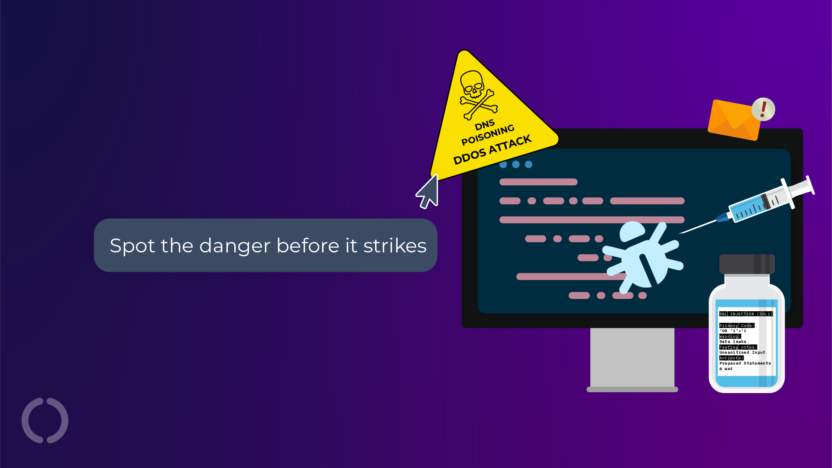
Whether you’re a developer, agency, or web hosting reseller, understanding the most common cyberattacks targeting hosting environments is the first step toward protecting yourselves and your clients.
Below is an overview of the top threats we regularly encounter in web hosting, each linking to detailed guides where you can learn how to protect yourself and what we do to keep your content safe.
Distributed Denial-of-Service (DDoS) Attacks
What it is:
DDoS attacks aim to overwhelm a web server or application by flooding it with excessive traffic, often from a botnet of hijacked devices. This causes downtime, degraded performance, and even infrastructure failure.
Why it matters in hosting:
Even a brief outage can severely impact SEO rankings, revenue, and brand reputation. Traditional shared hosting and smaller VPS setups are particularly vulnerable if no mitigation is in place.
Real-world example:
In 2016, a massive DDoS attack targeted Dyn, a major DNS provider in the United States. Dyn’s DNS infrastructure was overwhelmed by a flood of traffic generated by Mirai, a botnet made up of hundreds of thousands of compromised Internet of Things (IoT) devices, like IP cameras, routers, and DVRs.
The attack disrupted access to major websites and platforms, including Twitter, Reddit, Netflix, Spotify, PayPal, GitHub, Airbnb, and Amazon
👉 Read our full guide on DDoS protection →
SQL Injection (SQLi)
What it is:
SQL Injection exploits poorly sanitised input fields to manipulate backend databases. By injecting malicious SQL code, attackers can read, modify, or delete sensitive data and sometimes even gain full admin access.
Why it matters in hosting:
Web applications relying on MySQL, PostgreSQL, or similar systems are frequently hosted on shared servers with other clients, amplifying the damage a single breach can cause.
Real-world example:
In one of the most infamous breaches, TalkTalk, a UK-based telecom provider, was hit by an SQLi attack in 2015. Personal data of over 150,000 customers was exposed, leading to a £400,000 fine from the Information Commissioners Office due to inadequate website security.
👉 Read our full guide on SQL Injection →
Cross-Site Scripting (XSS)
What it is:
XSS occurs when malicious scripts are injected into webpages viewed by other users. These scripts can steal cookies, impersonate users, and spread malware.
Why it matters in hosting:
Many CMS platforms and poorly coded plugins are vulnerable to reflected or stored XSS. A single compromised page can endanger all site visitors and degrade your hosting IP’s reputation.
Real-world example:
Over multiple years, but most notably in 2014, eBay was repeatedly criticised for failing to fix stored XSS vulnerabilities in its listing system. Attackers abused the description fields in product listings to inject JavaScript code.
When users visited an infected product page, the malicious script would automatically redirect them to a phishing site or a fake login page. Some scripts even mimicked the eBay login portal, tricking users into entering their credentials.
👉 Read our full guide on XSS vulnerabilities →
Phishing Attacks
What it is:
Phishing tricks users into revealing sensitive information (like login credentials) through fake websites, emails, or forms that look legitimate.
Why it matters in hosting:
Attackers frequently compromise legitimate websites to host phishing kits targeting other platforms, like Microsoft 365 or banking portals. This puts hosting providers at risk of blacklisting.
Real-world example:
In 2021, GoDaddy disclosed a data breach affecting over 1.2 million WordPress users. Phishing was used to compromise internal credentials, which attackers then used to inject malware and create fake websites.
👉 Read our full guide on phishing in hosting environments →
DNS Poisoning & Hijacking
What it is:
DNS poisoning (or DNS cache poisoning) corrupts the DNS cache with false records, redirecting traffic to malicious websites. DNS hijacking involves attackers modifying domain records by compromising a DNS provider or registrar.
Why it matters in hosting:
If attackers hijack your DNS, they can reroute users to fake login pages, spread malware, or cause prolonged downtime. In many cases, these attacks happen outside your hosting server, making them difficult to detect until damage is done.
Real-world example:
In 2019, a widespread campaign dubbed Sea Turtle targeted DNS providers across the Middle East and North Africa. Attackers altered DNS records to perform man-in-the-middle attacks, harvesting credentials from government and enterprise users.
👉 Read our full guide on DNS poisoning and hijacking →
Final Thoughts
As more services are moving to an online presence, so are criminals. With new exploits and vulnerabilities found frequently, it is imperative to learn how to protect yourself and your clients. These threats target large industries and ordinary individuals alike.
Check out our guides to learn how we protect your content and what you can do to stay one step ahead of cyber criminals.